


Crisis in the Rights of Migrant Seasonal Workers

March 12, 2026
Woosung Song
A recent human rights investigation of foreign seasonal workers in Gyeonggi Province has revealed widespread abuses in living and working conditions. Many foreign workers experience poor living quarters, long hours of labor, and wage discrimination. According to the survey, although 78% of workers signed written employment contracts, less than half received them in their native language, making it difficult to fully understand the terms. Only 58.4% received wage statements, and among those, only 39.2% received wage statements in their native language.
Some workers reported that after working for five months, they earned approximately 900,000 won (about USD 680), but half of that amount was taken by brokers as fees. Many said they endured injustices without reporting them—about 87.5% chose not to take action, citing fear of reprisals, uncertainty about how to report, or a belief that their situation was not serious enough to complain about.
The number of foreign seasonal workers is steadily increasing, with nearly 4,000 recorded in the province, yet poor accommodation, overwork, and abusive employment practices remain pervasive. The article concludes by calling for multilingual support services, stronger oversight of brokers, and systematic reforms to protect vulnerable foreign workers.
This article highlights how basic human rights for foreign seasonal workers in Korea are often overlooked in practice. While many workers technically have contracts, language barriers prevent them from fully understanding what they are agreeing to, which makes those contracts almost meaningless. On top of that, exploitative broker fees and poor living conditions place foreign workers in a very vulnerable position, where they have little power to speak up.
What stood out to me most is that many workers choose not to report these problems, not because the situation is acceptable, but because they are afraid of retaliation or do not know how to seek help. This shows that the issue is not just individual employers acting unfairly, but a system that fails to protect workers who are already marginalized. I think the government and employers need to move beyond simply acknowledging these problems and take concrete action, such as providing clear multilingual information, strictly regulating brokers, and enforcing stronger penalties for abuse. Ultimately, protecting foreign workers is not only about following the law—it is about recognizing their dignity and treating them as equal members of the workforce who deserve respect.
경기도가 처음 실시한 외국인 계절노동자 인권 실태조사에서 폭력, 초과노동, 열악한 숙소 등 다양한 인권침해가 드러났다. 입국 전 송출 단계에서 과도한 브로커 비용을 요구받는 사례도 확인됐다. <인천일보 2025년 7월31일자 1·6면> 1일 '경기도 외국인 계절노동자 인권 실태조사'에 따르면 도가 지난 6월부터 연구용역을 통해 19개 시군 계절노동자 419명을 대상으로 진행한 설문에서 근무지 임의 변경(14.3%), 초과근무임금 미지급(13.3%), 언어폭력(11.1%), 성희롱·신체폭력(4.8%) 등 인권침해 경험이 조사됐다. 구체적으로는 동일한 농가에서 수 명이 4개월째 임금체불을 당하거나, 한 사업장에서 같은 일을 하는 여성 노동자가 남성보다 적은 임금을 받았다는 응답이 있었다. 숙소 환경도 취약한 것으로 나타났다. 응답자 중 비교적 높은 비율이 '임시 구조물'에서 생활했다고 답했는데 22.8%는 비닐하우스·컨테이너, 15.8%는 고용주 거주지에 딸린 숙소였다. 설문에 참여한 한 노동자는 월급 180만원 중 비닐하우스 숙소에 거주하며 46만원을 지불했다고 했다. 법무부 지침은 숙소 제공의 경우 통상임금의 15% 이내 공제만 허용하고 있다. 근무조건 정보 제공 역시 부족했다. 근로계약서를 작성한 노동자는 전체 78%였지만 출신국 언어 계약서를 받은 비율은 48.9%에 그쳤다. 임금명세서를 받은 경우는 58.4%였는데 이 중 출신국 언어 명세서 제공 비율은 39.2%였다. 응답자 다수는 출신국 언어로 적힌 게 아니어서 관련 내용을 제대로 숙지하지 못한 것으로 조사됐다.
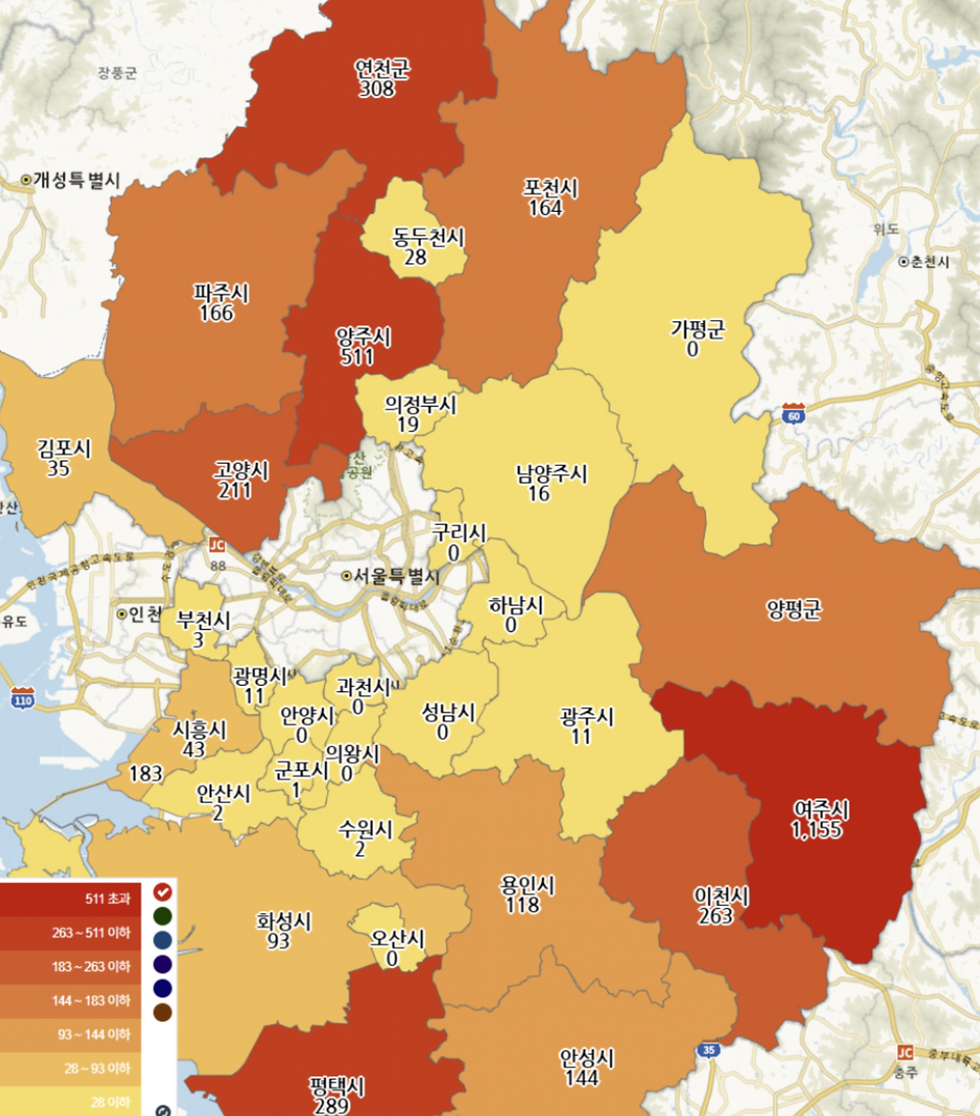
이 같은 인권침해를 겪고도 응답자의 87.5%는 '그냥 참았다'고 했다. 이유는 '별일 아니라고 생각해서(45.2%)', '문제가 더 심각해질 수 있어서(31%)', '어떻게 대응해야 할지 몰라서(15.5%)'가 꼽혔다. 도움 요청할 곳을 아는 비율은 41.9%에 그쳤다. 심층 인터뷰에서는 입국 전 송출 과정에서 브로커가 서류 준비나 선발, 출국 절차 등에 관여하며 고액 수수료, 부모 보증 등을 강요한 사례도 확인됐다.실제 라오스 출신 한 노동자의 경우 5개월간 일하고 받은 총 실수령액 900만원 중 절반을 브로커 비용으로 지불해야 했다. 월급 평균 실수령액을 계산해보면 90만원에 불과한 셈이다. 도내 외국인 계절노동자는 지난 9월 기준 3990명으로 해마다 증가하고 있다. 여주시(1155명), 양주시(511명), 연천군(308명), 평택시(289명), 이천시(263명) 순으로 많았다.
경기도 관계자는 “여러 인권침해가 확인된 만큼 다국어 안내와 브로커 개입 차단 등 제도 개선이 필요하다”며 “이번 조사 결과는 내년 경기도인권위원회 정책 권고로 제출할 예정”이라고 했다.


댓글