


Becoming Other: A Korean Teen’s Experience Abroad

by Ain Choi
May 26th, 2026
Born and raised in Korea for my first fifteen years, “multiculturalism” (다문화) was a distant concept, something I noticed in passing when I saw foreigners or multicultural children on the street, but never truly understood. My interactions were superficial, like many children and teenagers in Korea, so I had little insight into what multicultural life felt like.
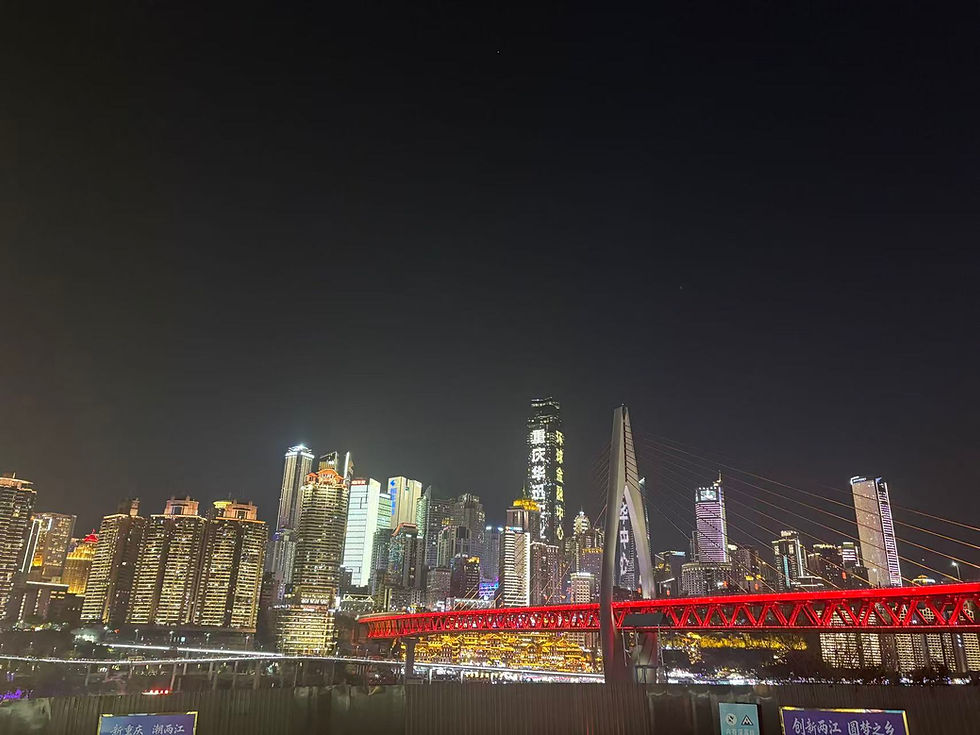
That changed when my father’s job transferred us to China during my final year of middle school. Attending international schools and meeting classmates from diverse ethnic and cultural backgrounds was my first direct experience of being a minority. It was eye-opening.
Language barriers were the most immediate challenge. To interact with locals I needed to learn Chinese; at school, where most classes were taught in English, I had to master English. I doubled and sometimes tripled my efforts to keep up. Building friendships across cultural differences brought unexpected challenges as well—small daily frictions piled up. I struggled with strongly spiced foods in the school cafeteria, and adjusting to ubiquitous QR-code systems for ordering services. On top of that, being separated from my Korean friends because of different school schedules and cultural routines left me lonely, without close confidants.
Living through these difficulties taught me what it feels like to be a minority in a society organized around a majority. I passed through embarrassment and loneliness and eventually found confidence and real friendships as I overcame each obstacle.

Most importantly, this experience gave me a new perspective and sparked a deep interest in the challenges faced by migrant workers and multicultural citizens in Korea. If I return to Korea, I believe I will be better equipped to understand social issues from their point of view and to contribute toward making our society more inclusive and welcoming.
한국에서 태어나 중학교까지 한국에서 성장한 나에게 ‘다문화’는 개념적인 단어에 불과했다. 길에서 가끔 외국인이나 다문화 가정을 마주치긴 했지만, 학교나 가정이라는 일상에서 깊이 만나 본 적이 일이 없었기에 ‘아. 저런 분들이 한국에 있구나’ 정도의 이해만 있었다. 그러나 아버지 직장 이동으로 중국에 오면서 난생 처음으로 서로 다른 문화가 공존하는 환경을 직접 경험하게 되었고, 중국에서의 생활하며 인종/문화적 소수자로 산다는 게 어떤 건지 체험하게 되었다.
생활면서도 어려움이 존재했다. 학교 급식을 포함한 대부분의 중국 음식에서 느껴지는 강한 향신료의 향은 내게 매우 낯설었고, QR코드를 사용해 대부분의 주문을 하는 것도 한국과는 많이 다른 문화이기에, 익숙해 지기까지 오랜 시간이 필요했다. 또한, 타지 생활이 길어지면서 한국에 있던 친구들과의 연락도 점차 줄어들었고, 가까이에서 편하게 의지할 친구가 없는 당시 상황 속에서 외로움은 더욱 크게 다가왔다.
하지만 이런 어려움들을 하나 하나 극복하며서 나는 이전에 전혀 알지 못했던 세상을 이해하게 되었다. 다수 중심의 사회에서 소수자로 산다는 것이 어떤 의미인지. 그리고 한국에서 나와 비슷하게 고국을 떠나 다양한 어려움과 경험을 겪는 외국인과 다문화 시민들이 많다는 것을 알게 되었다
따라서 나는 이제 한국에 돌아 간다면 한국을 보다 다문화 적인 사회가 될 수 있도록 노력할것이다. 이번 글을 한국내 다문화 인들을 위한 신문에 기고하는 것을 시작으로, 세계화 시대에 우리는 언제든 다문화적 존재가 될 수 있음을 알리고, 다문화인들이 편안하게 살아 갈 수 있는 사회를 만들기위해 최선을 다해 나갈 것이다.

댓글